Made from scratch is the most used and least examined phrase on American menus. At its loosest it means the kitchen assembled your plate on site. At its strictest it means stocks, sauces, dressings, and doughs start as raw ingredients in that kitchen, every day. Most real scratch kitchens sit between those poles, and knowing where tells you what to order.
This guide breaks the phrase down into parts you can actually taste, so the next time a Monroe menu claims scratch cooking, you can judge the claim by the plate in front of you.
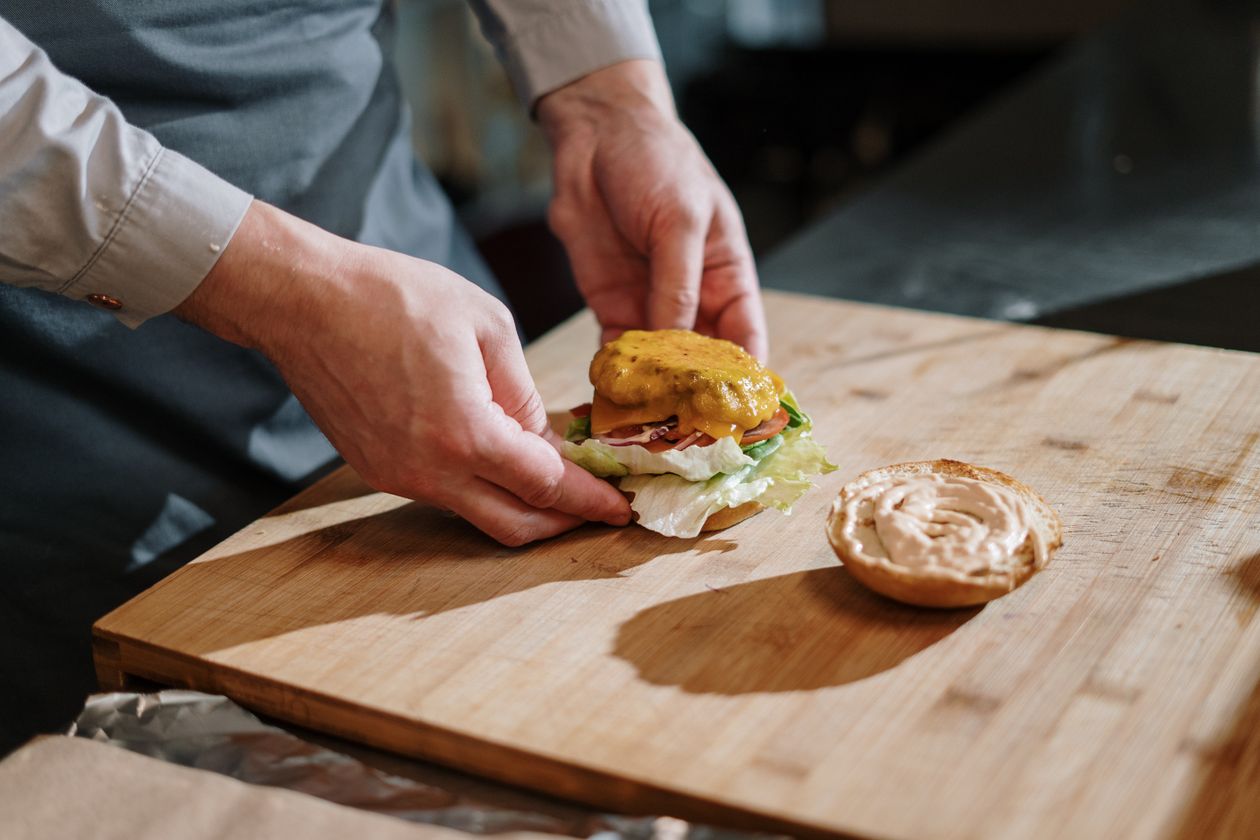
The layers of a scratch kitchen
- Proteins prepped in-house. Burgers ground from whole cuts, chicken cut and breaded to order, pork roasted for sandwiches. This layer decides texture more than any other.
- Sauces and dressings made on site. Ranch, cheese sauce, guacamole, and sandwich spreads mixed in the kitchen, where the cook can tell you every ingredient in them.
- Produce cut daily. Fries cut from potatoes, salads built from whole heads and vegetables, pickles made in-house. Cut produce has a brightness frozen and bagged produce loses within days.
- Breads and doughs. Some kitchens bake, some buy from a good bakery. Pizza dough made and proofed in-house is the common scratch marker at a grill.
- Desserts made, not thawed. A pie or cake the kitchen made tastes different in crumb and sweetness from a food-service thaw-and-slice, and staff know it.
How to taste the difference
Order the things a shortcut kitchen cannot fake: the house dressing, the fries, the soup of the day, the burger. Hand-cut fries vary in size, carry potato flavor past the salt, and soften as they cool instead of staying uniformly crisp from a coating. House ranch tastes like its herbs. A burger ground in-house has a looser, juicier crumb than a frozen patty, and it cooks unevenly in the honest way, with edges that crisp.
Scratch cooking also explains menu limits. A kitchen that makes its food runs out of things. The special that sells out by seven, the soup that changes with what came in, the dessert case that empties on Saturday: those are signs of a kitchen working from ingredients, not inventory. Treat we are out of it as information, not failure.
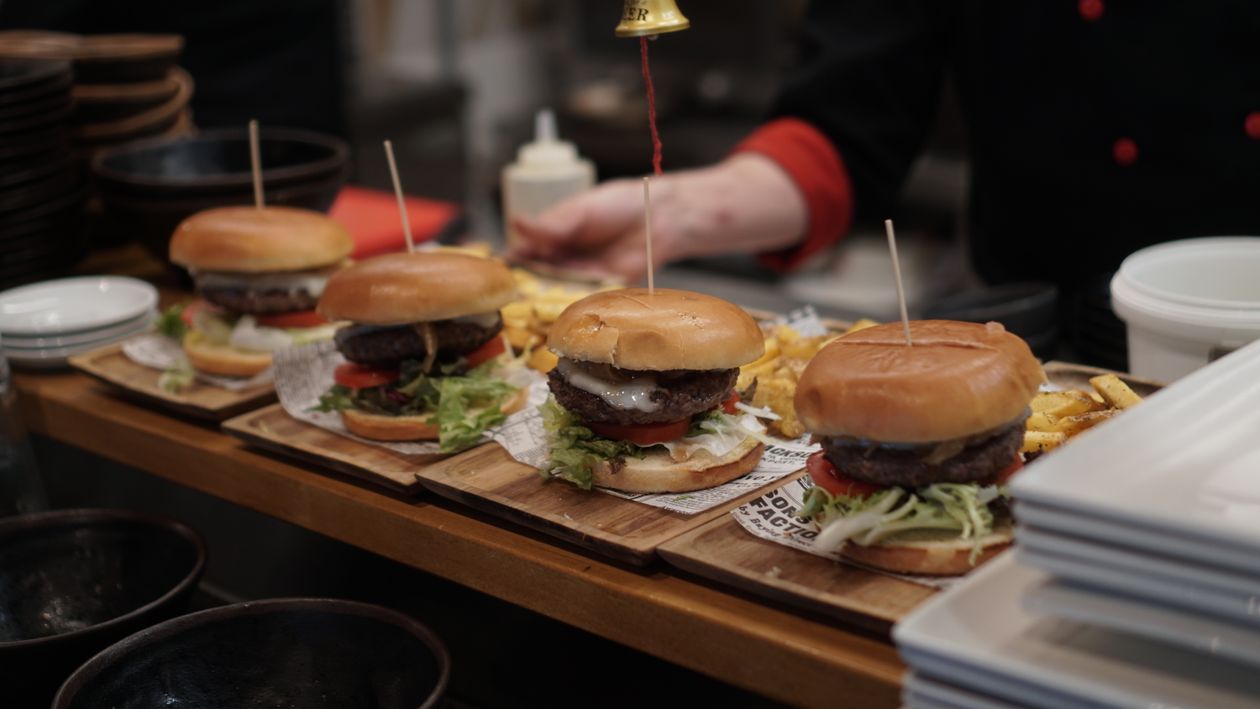
Why kitchens that cook this way run smaller menus
Scratch cooking is labor. Every sauce, dressing, and hand-cut side costs prep hours before the doors open, and that math keeps scratch menus shorter than frozen-inventory menus. A long menu with forty entrees is almost impossible to execute from raw ingredients in a small kitchen. A focused menu of burgers, sandwiches, pizzas, salads, and specials is what an honest scratch operation looks like from the outside.
The specials board is where the model breathes. A scratch kitchen buys what looks good, cooks what it has, and lets the board change. When the dinner specials appear after five and change with the week, you are seeing a kitchen use its prep capacity on a few fresh things instead of freezing a warehouse of choices. Order from the board when you want to taste the kitchen at its most itself.
What scratch does not mean
It does not mean healthy, slow, or expensive, and it does not mean everything. Ketchup, mustard, cheese, and canned tomatoes come from suppliers in nearly every kitchen, scratch included. It also does not guarantee seasoning or execution. A scratch kitchen can under-salt. The claim is about where food starts, not a promise about where it lands, which is why the plate, not the menu copy, is the judge.
Ask a server what is made in-house and watch what happens. In a true scratch kitchen the answer comes fast and specific: the ranch, the cheese sauce, the burger grind, the fries. In a kitchen working from freezer boxes, the answer wanders. You have your verdict before the water glasses land.
At Franklin Court Grille, the owners describe a scratch kitchen where the family works daily and food is made fresh each day. Test that claim the way this guide suggests: order the burger, the fries, and the house dressing, and let the plate argue the case.
Common questions
Does scratch cooking mean a longer wait?
Usually a little. Food cooked from raw ingredients to order takes longer than reheating, especially fried items and burgers at busy hours. Most diners judge the trade worth it, and starters bridge the gap.
How can I tell if fries are hand-cut?
Look for varied sizes, skin on some pieces, and a potato flavor under the salt. Uniform shape, heavy coating, and identical color across the basket point to a frozen product.
Is scratch the same as farm-to-table?
No. Scratch describes preparation, where food is made. Farm-to-table describes sourcing, where ingredients come from. A kitchen can be one, both, or neither.
Photos in this guide are representative stock images.
← All guides from Franklin Court Grille← Back to Franklin Court Grille